Showing posts with label Tip. Show all posts

Friday, October 6, 2017

Christmas Markets, Cologne, Germany

Ever since we moved to the Netherlands we quickly adapted a new tradition - the annual Christmas markets in Germany. They usually start at the end of November or in the beginning of December and end right before Christmas, normally on the 23rd of December. During this time you can enjoy all the Christmassy things but most importantly food. This is what keeps us going back, year after year. We normally go to Cologne because the city is very nice, compact and it has seven different markets, all slightly different.


Weihnachtsmarkt auf dem Neumarkt, Neumarkt Christmas market

1. Book your hotel on time

Christmas markets are a huge thing in Europe, and especially Germany is famous for them. This is something they definitely know how to do! However, everyone else also knows how good they are, therefore the best, most central hotels get sold out way in advance. While we used to book a hotel sometime around November, this time we booked it well in advance, in August, to make sure we get to visit one of our favorite hotels in Germany.

2. Don't arrive too early, but neither too late

The markets are popular at any time but it has quite a different vibe on different times of the day. The closer you get to the evening, the busier it gets. The best time to start your market tour is around 19.00 or 20.00. You can easily visit the markets you want (even all seven of them) and have lots of cheerful people around you. The Catherdral X-mas Market is the most popular and also the busiest one at all times yet make sure you visit all of them because the atmoshpere is very different depending on the market.
Note that the markets usually end around midnight, so make sure you have enough time.


Weihnachtsmarkt auf dem Neumarkt, Neumarkt Christmas market


3. You will get drinks spilled on your clothes

Since most of the markets are very crowded, people will bump into you, drinks will be spilled (maybe even food). Around the most crowded vendors, shops and drink stations it can sometimes be nearly impossible to walk forward (but don't worry, it's actually fun!) so you'll definitely feel veeeery close to other people. Don't wear your whitest, brightest clothes and make sure your pockets and pags are zipped. We've never had any issues with security but better safe than sorry.

4. It can get cold!

German winters can be cold so check the weather forecast. Even though you'll probably be moving around quite a bit and eating, it can also get chilly when you stand still so pack along maybe an extra sweater, some gloves and a hat.


Weihnachtsmarkt auf dem Neumarkt, Neumarkt Christmas market

Markt Der Engel, the Angel Market


5. Shopping

There's lots of vendors selling all sorts of stuff from food to sweets, Christmas decorations, jewellery and so on. It might not be the best idea to buy that gigantic Christmas decoration in the beginning of your visit. It might be a good idea to save it for the next day. The markets open in the morning so if you visit on Saturday evening you can easily drop by on Sunday morning to pick up whatever you got your eyes on.


Dusseldorf during the Christmas market period


6. Eating

The food is what keeps us coming back every year! There's something for everyone, from the traditional bratwurst to sauerkraut and steaks, soups, vegetarian food and lots of sweets. The vendors normally have a spot in the same place every year so we have a sort of a pilgrimage every year to visit the same vendors for bratwurst, steak sandwich, hot Mojito's, Feuerzangenbowle (Fire Punch), Hungarian lángos and Kinder crepes.
Have lots of change with you because most of the food is around 3-7 euro's and it's quicker if you have the exact money. Some do accept credit cards but it's so much faster to pay in cash.


Cathedral market, Cologne


7. Drinking

You cannot visit a German Christmas market without having lots of glühwein, although be aware that if you go for glühwein mit rum it does indeed include lots of rum. The further the night, the more rum you'll have in your mug. You can also have it without the rum, but why would you? There's also other drinks like eggnogg, hot cholocate, beer, wine and so on. Naturally, there's also non-alchoholic drinks.

Every market has their own mug for the glühwein and on most years they're slightly different. We're not completely sure if they make new mugs every year because sometimes you get a mug from one of the previous years. It's fun to check the mugs and see what's different this year. You can even take the mugs with you, if you want, to start a little Christmas mug collection. Normally they have a year on the mug also. How it works is that you buy a glühwein (or another warm beverage) that's usually roughly around 4 or 5 euro's. A deposit of 2,50e is added to the cost. If you bring the mug back you get the deposit back but if you want to keep the mug, you've already paid 2,50e for it.


Feuerzangenbowle, a must try!


8. All the different markets

Every market is different and it's a good idea to visit (almost) all of them. They have different themes, different vendors and different food. Some have music, activities like ice-skating and so on. We often start either from the Neumarkt that's a bit smaller but has great food or from the one by the Cathedral which is not our favorite as it's by far the largest and the most crowded one. From the Cathedral X-mas market you can continue around the corner to the next one. We don't know it's name as it's not on most maps but it's smaller than the rest but is definitely worth a visit. From there continue to Alter Markt which is probably the most beautiful one and has an ice-skating rink. From Alter Mark we continue to Angel's Market (Markt der Engel) that's our favorite one as we feel it's has the best atmoshpere. In case we started our journey from the market at the Catherdral, we walk to the Neumarkt to end the visit there or in case we started from Neumarkt we walk the other way and end the day at the Cathedral market. There's also a Gay & Lesbian market that's fun to visit, too and another one by the harbour we've never visited.


Neumarkt Christmas market


The biggest Christmas market in Cologne, the Cathedral market


Monday, September 25, 2017

Estonia vs. Finland

If I got a penny every time someone said that Estonia is basically the same as Finland I would have a lot of pennies by now. Even though these two countries share some similarities, like similar languages and maybe culture in some ways, these are still two very different countries with completely different mind sets. Here's our list of some major differences we think are important to understand.


Old Porvoo

First major difference you'll immediately notice is the architecture that starts to unveil the major differences of these two countries. When you approach Tallinn by ferry you'll see the beautiful, medieval skyline with thick towers along the city walls and the distinctive churches. In Finland you don't see quite a similar sight anywhere as the countries had their days of glory on quite different times. I always mention Tallinn having been in the hanseatic league in the early middle ages but this is indeed such an important thing to mention as it defines the history and the culture in so many ways, even today.

Flying over Helsinki in a hot-air balloon

However, if you fly into Tallinn by plane you'll see quite a different view being composed by so many long lines of soviet time apartment complexes surrounding the city from the huge districts of Mustamae to Lasnamae and beyond. Again, this is a strong reminder of more recent history when Estonia was part of the Soviet Union, something that many of us consider quite a dark time period for the Estonians.

Tallinn from above

Finland, however, had quite a different history being under the rule of Sweden and later Russia. Finland doesn't really have such strong architectural reminders of the historical events. As the biggest airport in Helsinki-Vantaa is in the capital area you don't see too many historic buildings on the way as Helsinki was made the capital only in the year of 1812. Before that, the biggest town in Finland was Turku, another hanseatic town, which was settled in the 13th century, around the same time as when Tallinn got it's town rights. Turku was, however, badly destroyed in the great fire of Turku in 1827 after which majority of the city had to be rebuilt. So you see lots of buildings from the 17th-19th century in both Turku and Helsinki. When arriving to Helsinki by ferry to the Katajanokka terminal, you will probably pass by Suomenlinna, an island fortress (18th century) that is currently a popular place to enjoy a nice day out sightseeing, have a picnic and so on. A few moments later you see the beautiful, white Helsinki Cathedral (completed in 1852) and the orthodox Uspenski Cathedral (completed in 1868). Tallinn, however, has more and older historic sights going back to the middle ages.


Estonia has a more colorful history

Because of it's great location and access to the Baltic Sea, Estonia has been in the interest of many larger countries in the region. Estonia has been under the rule of present day Denmark, Germany, Sweden and Russia which has affected the culture, cuisine and the language. As Estonia was in the Hanseatic league, it was influenced by even a larger amount of nearby nations involved in the trade.

Christmas market in Tallinn, closed for the night

Finns are more tolerant

Generally I would claim that the Finns are way more tolerant than the Estonians when it comes to racial differences, sexual minorities and gender equality. Estonians tend to be quite traditional, and not always in the positive ways.

Estonians are healthier and have better genes

Since Estonia has been occupied by many different nations, it means that there have been much more different genes walking around than in remote Finland. Due to this, Estonians tend to be healthier than the Finns, well, at least when it comes to hereditary illnesses. Finns also suffer from allergic diseases (food allergies, hay fever and such) much more than the Estonians.

Midnight sun in Estonia


Tallinn has a more central-European vibe than Helsinki

Tallinn has many cafe's (purely for drinking non-alcoholic beverages or a nice glass of wine) that stay open until late in the evening. In Helsinki it is difficult, almost impossible, to find a cafe to that's open in the evening and is not filled with people who have had a little too much alcohol. Also, and I'm claiming this purely from my own experience, Estonians visit museums, theaters and other cultural events more often than the Finns. In Estonia, you dress up when going to such event (to see a play at the theater, for example) and wearing something like jeans and a sweater to such event is often frowned upon.

Island of Kökar in Finland

Finns are (more) religious

I was 9 when I moved to Finland. First thing that surprised me at school was that religion was one of the subjects being taught throughout the whole educational cycle. Up until this, religion didn't play any part in my life what so ever so you can imagine the confusion I experienced. Aside this, kids say grace before eating lunch at school, although I believe this only applies to the younger pupils in smaller schools and maybe it's not done as often as it was in the 90's. Teenagers attend confirmation school around the age of 15 and every school year ends with a divine service at a local church. This might be different in larger cities or in schools with a significant amount of foreigners.

In the Evangelical Lutheran Church (which is about 75% of the Finns) children are baptized about 6 weeks after birth and the christening event takes place either in a church or at home. On average every child has 2-4 godparents. Imagine the confusion when some of my classmates found out that I was actually non-religious (read: an atheist), wasn't baptized and also had no godparents at all! Also, the weddings and funerals are very often held in churches. Finns also pay something that's called the church tax. "All members of either the Evangelical Lutheran Church of Finland and the Finnish Orthodox Church (the two state churches of Finland) pay an income-based church tax of between 1% and 2%, depending on the municipality. (Wikipedia)"

Estonia, on the other hand, is one of the least religious countries in the world. More than 50% of Estonians don't believe in God, at least not in the traditional way. You can read more about this on Wikipedia. Baptism isn't very common in Estonia as names for newborns are registered at the city hall. Actually nowadays you can do all this online. While funerals are often held in churches, weddings not so often, although personally to me it does seem that church weddings are becoming somewhat more popular in Estonia.

Tallinn old town


Estonians are more innovative

In Estonia you can do many things online and the local ID card allows voting, doing your taxes, using public transportation (which is free for those that live in Tallinn, by the way) and more.

There's also e-Health meaning that over 95% of the data generated by hospitals and doctors has been digitized, which makes it easy for the doctors to store patient data digitally (e-estonia.com).

So technologically the country is quite advanced in this sense.

Enjoying traditional dinner in Naantali, Finland


Finns complain more, yet also take action

Personally I find the Finns to be the type of people that generally complain about things more than the Estonians do, but this isn't necessarily a negative trait as they actually do something about the complaints. Finns aren't shy about their opinions and often make them public and make sure the feedback or complaint reaches the required sources. If an Estonian gets bad service in a restaurant, hotel or a shop, they don't normally complain as these bad experiences are often forgiven because of the low salary of the impolite/unprofessional service employee.

Fall colors in Porkkalanniemi, Finland


Estonians get things done faster

While Estonians might not send out complaints as often as the Finns do, they still get things done by searching for alternatives. In working life Finns often seek for everyone's approval, while Estonia is more hierarchical in the sense that decisions are made fast(er) and not everyone's approval is necessary. It's sometimes good, like when Estonia legalized same-sex unions / partnerships.


Aesthetics are more important in Estonia than in Finland

Generally things look a little nicer in Estonia. People value aesthetics more in Estonia than in Finland. In Estonia it's important how things look, how you look, how your house looks. It's just a part of who we are. It has changed a lot in the last 20 years but even when you turn on an Estonian TV-channel, everything just looks.. better! Flip through a few of Estonian Facebook profiles and see the difference. The pictures are generally prettier, more thought through before posting.

The medieval old town in Tallinn


Estonians are more private

When you compare the social media behavior between these two nations, the difference is significant! Finns share more of their personal opinions, pictures, thoughts, anything. Estonians post a few pretty pictures here and there but don't post actual status updates or personal opinions very openly. Same applies to general communication. I feel that the Finns generally value openness and even honesty more than their southern neighbors. Estonians often make things look and sound a little nicer than they might actually be. It's not the case of dishonesty, it's about keeping your private life private. So they might tell you that they have a new great job, but don't mention that the employment contract is only for three months and their role in the company is actually lower level than in the previous company. A rough example, but you get the idea.
The Finns, however, often discuss even negative things more openly.

Summer in Nauvo, Finland
The (un)traditional naming habits

Even though we consider the Estonians to be quite a bit more traditional than the Finns, this definitely doesn't apply to the naming habits of children. While Finns are increasingly favoring older, more traditional names like Kerttu, Hilla and Elias and Vilho, Estonians prefer more international or modern names such as Mia and Arabella for girls, and Miron and Romet for boys.

Families are closer in Estonia

Families are much closer in Estonia compared to Finland. Estonians have more and bigger family gatherings, cousins are more important part of a family, grandparents are a huge part of the childs life and adult children generally take care of their elderly parents in Estonia. In Finland, unfortunately, families tend not to be that close. A good example of this is Christmas, when many Finns celebrate the holidays with their immediate family. In Estonia it is often slightly different, and the celebrations tend to be larger including even more distant family members like second cousins, in-law's and more. 

While in Estonia we don't know even one person that doesn't know their cousins, we do know many people in Finland that really don't have any interaction with theirs, ever.

Spending habits

A Finn would brag about the great deal or the low price they got on something they bought.
An Estonian doesn't brag about cheap prices. Estonians generally take pride in being able to afford expensive things and would feel slightly ashamed for having to search for a bargain. And if they did, they certainly wouldn't go around talking about it.


Both want to be better than their neighbor

Being better than your neighbor is actually a thing in both countries but how it's handled is sometimes different. When a Finn's neighbor buys a new car, the jealous acquaintance might call the tax authorities to start a check on the owner of the new car, to see if there's something shady going on as there's no way the neighbor could be doing better by honest means. And even if they were doing better financially, they should, at least, be paying more taxes (at least, according to the neighbor)!  Estonian will, however, work their butt off, get a huge loan and sell the shoes off their feet to get an even better, faster car that they can't really afford.

A Finn and an Estonian in their natural habitat


Thursday, June 29, 2017

How to travel with your.. grandparent!

My 85-year old grandfather is a cool guy. At the age of 80-something he conquered central Europe, smiling in his RayBan Aviator's. Having never been outside Eastern Europe, or former Soviet Union, besides Finland, he has added five new European countries to his list since 2012. Now, when ever he's watching television and sees Paris, Amalfi Coast or Amsterdam, he always proudly announces that he's been there!


Laveno-Mombello, Italy


It's actually pretty cool to travel with your grandparents, so don't hesitate to show them the world!

Most of the time we travel together, yet sometimes he has to fly alone. We've managed to make it hassle free with a few steps we always take before, during and after this travels. Note that this cool dude doesn't speak a word of English, which makes it even more interesting.


Always book direct flights

Direct flights save time and also cause less stress as you don't have to worry about possible flight delays, cancellations or other funny things. It's also way more comfortable for the elderly to have a shorter flight time. It's totally worth paying a little extra.


Paris, France


Cabin size luggage (avoid hold luggage!)

After a couple of incidents when he had to leave either his drill bits or a bottle of schnaps at the airport, he's finally accepted the regulations for prohibited items on planes. Make sure they have a cabin size trolley (preferably with wheels, of course) and it's light enough to be lifted to the overhead bin in the airplane as there's rarely anyone to help (sad but true). 


Ask for assistance!

Most airlines offer assistance at the airport. When he's flying alone from a large airport, I always call the airline for assistance service to help him. They usually arrive with a wheelchair (to which my grandfather rolls his eyes at, he's funny like that, and then proudly walks next to it). Even though he doesn't need it, I do think it's good as sometimes the walk to the gate can get pretty long. The assistance service is usually free but should be booked beforehand. And it's not a problem if the passenger doesn't speak English. Keep in mind that some airlines are friendlier than others and there was an airline that once refused to assist him as he refused to sit in the wheelchair. 
Yes, Estonian Air, I'm talking about you.


Dusseldorf, Germany


Add a note

Print out the flight details and add a note asking to contact you if needed (with a telephone number) and ask your grandparent to keep it in their pocket at all times! Something like Hi! I'm lost and don't speak English! If needed, please call my family on the following number. 

You can even add several lines, first in the language your grandparent speaks and then below the same thing in English, for different situations such as trying to find the gate, where's the nearest toilet, how do I get out of this airport etc. 


Book a two bedroom hotel room or adjoining rooms

A trip with a grandparent is not the same as traveling with your friends so be flexible. In the past we have booked single rooms for him but those tend to be pretty awful so try and get a room large enough to accommodate several travelers or book adjoining rooms so the grandparent can hang out with you at the hotel. 


Amsterdam, Netherlands


They've already managed to live longer than you, they will manage in tough situations! 

Whenever I wonder if my grandfather is going to be ok I always need to remind myself that he's lived longer than I and no matter what happens, he's probably been in that situation before. Older folks tend to be creative and will take matters into their own hands, if needed. 


A few more for the road:

- make a list of their medication and make sure you know what they're taking and for which purpose. Take the prescriptions along on your trip as sometimes the customs might want to take a look. 

- Free the passenger seat of your car for your grandparent. There's usually more space and it's more comfortable. Also, they have a better view than on the back seat of the car.

- Ask them about their seat preference on the plane. 
- Make sure you have enough stops on long car journeys as older people get sore joints more easily.

- Add something familiar to your trip. Either make sure they get the food they always eat in the morning or a visit to a city they always hear talking about on the media. They'll love it!

- Hop-On Hop-Off Bus is your friend! When you're in your 80's you don't walk all day long. So make sure you have transportation available. Even better if it comes with a guided audio tour!


Colmar, France

Monday, June 26, 2017

Dare to be different! Surprising things to avoid for a better travel experience


After years of frequent traveling our travel style has changed quite a bit. Instead of visiting all the popular sights we have cut the list short to fit in some genuinely more interesting options. Here why, how and a few tips.

Musee d'Orsay, Paris, France


We (often) skip museums

Don't get this wrong. We love and adore good museums but let's be frank, there aren't that many museums in every city actually worth spending several hours in, especially when you're short on time. Popularity doesn't always equal quality, therefore do your research before filling your calendar.

A few great museums not to miss:


The BMW Museum in Munich, Germany

Romano-Germanic Museum, Cologne, Germany

Musee d'Orsay, Paris France


Alcatraz, San Francisco


We also skip churches

In some cities, the list of sights mainly consists of churches, churches and more churches. True, they have historical value and are often worth viewing but we almost always walk around the most interesting ones to view the architecture but often don't enter them. Or, like in Duomo di Milano we went to the roof which was so magnificent we went there twice.

A few great churches not to miss:

Geghard Monastery in Armenia

Helsinki Cathedral in Helsinki, Finland

Igreja de São Francisco & Catacombs, Porto, Portugal


Geghard Monastery, Armenia
On the roof of Duomo di Milano


Travel with hold luggage

This goes against pretty much every second travel article you find online but we have gone the other way and taken along about 40+ kg's of luggage on extended weekend trips to make it more versatile. You can easily combine a city trip with a hiking or a shopping holiday, or even all of them.

A few multi-purpose destinations:

Zurich, Switzerland with surrounding towns and mountains

Thessaloniki, Greece. Shopping, beach, mountains to hike nearby.

Verona, Parma and Modena are not only good for fashion but also for shopping for food! You can easily fill your luggage with a new wardrobe, some Parma ham, Parmesan cheese and high quality balsamic vinegar after visiting these cities.


Parma, Italy


Rent a car on a weekend trip

Only have a couple of days in your destination? It's still a great idea to rent a car for a day! Choose a smaller destination and drive to a nearby town to get a better overview of the country. Worth it every time!

A few great towns to visit:

Munich in Germany is only a short drive away form both Garmish-Partenkirchen and Salzburg but choose carefully because they're in different directions but both absolutely wonderful!

Chinchon near Madrid is a fantastic destination for a day. The small town is absolutely delightful and so full of history. It's also only 30min from Madrid!

The small town of Haapsalu is located about an hour and a half from Tallinn, the capital of Estonia. It's located near the sea, has a beautiful castle and even the drive there is pretty! Take the small roads to see how beautiful it can get!

In the mountains of Montenegro


Don't skimp on transportation


Airport buses and trains are often affordable but sometimes also unreliable. Skip the lines and stress by either having shuttle service from your hotel (mostly for extra charge) or take a taxi. It does depend on location and traffic but if traffic jams are not an issue, you'll save your nerves and have a moment to rest before hitting the sights!

A few locations with superb airport transportation options

Amsterdam, Netherlands, a train from Schiphol airport to city center in only 15 minutes.

Milan, Italy, a bus or a train only takes about half an hour!

Vienna, Austria, a bus or train will only take you 15 minutes!


Portugal is always a good idea!
Faro, Portugal.

Wednesday, April 19, 2017

Hualien - The City of Earthquakes

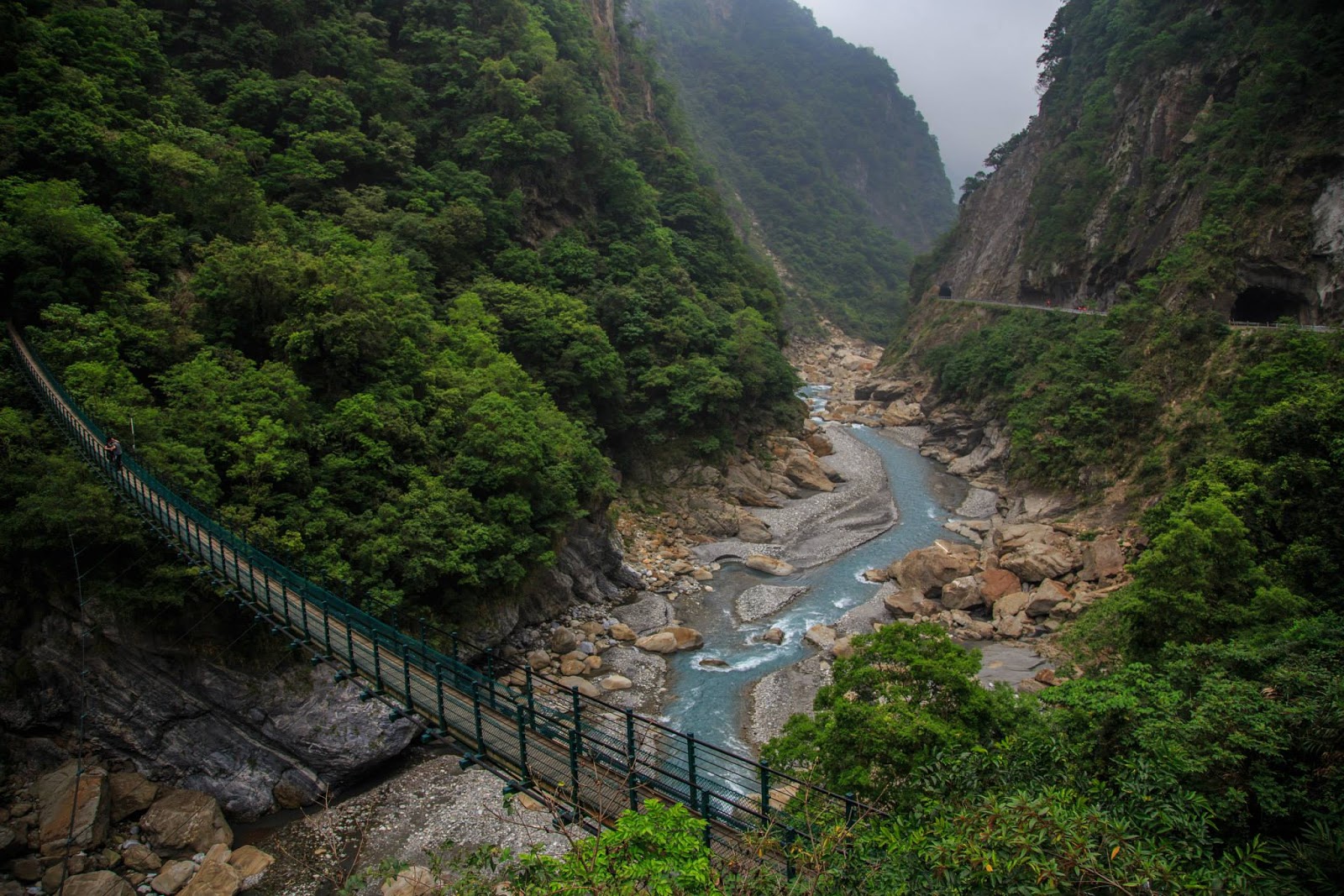
Hiking in Taroko Gorge


Hualien is a small city located about two hours by train from Taipei, the capital of Taiwan. It's in between the Central Mountain range and on the coast of Pacific ocean which makes it a great location for different purposes as you can enjoy the city life but also go hiking, whale watching and more. We had two reasons to go there, the Taroko Gorge and frequent earthquakes.

Amazing Taroko, Hualien


Hualien is known for it's notorious location being prone to earthquakes. By frequent we mean daily. On our four day stay we experienced at least two earthquakes per day, every day, three on average and the biggest being 5.6M. I guess it was some sort of a small peak which seems to happen every now and then. You can see a list of most recent earthquakes in Taiwan here.

Earthquakes in Hualien, Taiwan


Scootering away 


For the locals it's not a big deal. They seemed to go on with their daily activities as per usual even when we were having lunch and the whole restaurant started shaking. The locals only seemed to raise their heads to calmly observe the situation. For us, staying on the 15th floor of our hotel and waking up around 4 in the night was quite intense. Interesting, once-in a lifetime intense kind of a way. I had been hoping to experience a small earthquake already for a very long time starting from our trip to Iceland, where nothing happened at all to Bali where I think I woke up to a tiny quake during the night but am not sure. In Hualien it finally happened up to the point that eventually, on our departure day, we were actually quite happy to leave and return to more stable grounds.


Apparently there has been sun in Taroko


We ended up staying in Hualien for a little longer than expected. Initially the plan was to drive from Taipei to Hualien where we wanted to stay two days and then continue to Sun Moon Lake. However, we didn't know we needed The International Driving Permit which lead to the cancellation of the car rental. It all went quite smooth, though. The local Avis Car Rental employees, who were already used to a situation like this, helped us make other travel arrangements so  it only took us less than an hour to get ourselves on a train to Hualien. We had a nice hotel booked in Hualien so staying there was no issue at all, although we would have loved to stay in the mountains also.


Taroko Gorge, Hualien, Taiwan

The highlights of the area, aside the earthquakes, was the Taroko Gorge, the Pacific Ocean and the food. Hualien city itself is quite small so a day or two is enough. We had all sorts of hikes planned for the time we stayed in Hualien but due to the weather and the earthquakes we decided to skip most the longer and more demanding trails. We did hike some shorter, less demanding paths that were nice but not particularly challenging.


Taroko Gorge


There are a few things we didn't realize to consider but should have, when planning hiking trips in Taroko Gorge.


  • Some hiking trails were recently closed due to recent land slides
Frequent earthquakes and rain causes landslides. A few of the trails we planned to hike were closed very recently as there had been many earthquakes lately. Have a few back-up trails in case you can't hike the one you originally planned. 

  • Land slides are very frequent
Taroko has been the only location where we decided to skip hiking for safety reasons. We had rented a scooter to drive around the Taroko National Park and on our way back we saw several fresh landslides or huge fallen rocks on the road that were not there when we drove by only less than an hour earlier. Maybe, if we hadn't experienced all the earthquakes during these days we would have gone hiking but with the trembling ground beneath our feet and the closed hiking paths (due to land slides) we had to turn back from were enough to convince us to reconsider.


  • Some trails also required a permit which was surprisingly difficult to obtain without a local guide.
Try and find a local to help you out getting a permit to hike some of the most interesting trails. Do this well in advance as it takes time to arrange everything. Also, note that you need a local phone number as the park ranger will try and contact you to verify the permit. If you don't have a local contact or a guide,  you can try and get a prepaid SIM card once you arrive. For this you need to pay a visit to a mobile dealer (don't forget to take your passport). Note that it's quite a hassle to get the hiking permit if you don't speak the local language. You might want to start the permit process before you depart to Taiwan or latest the first day you arrive.

Taroko is an amazing place to hike, just be well prepared and careful. There are also lots of easy trails that are accessible and much less dangerous. 


Hualien city, Taiwan

Cityscape, Hualien


Eventually with all the changes in our plans we had lots of time to spare. We enjoyed the spa at our hotel, rented a scooter to explore Hualien and surroundings, cycled around the area and definitely didn't skip a chance to eat at one of the many restaurants.


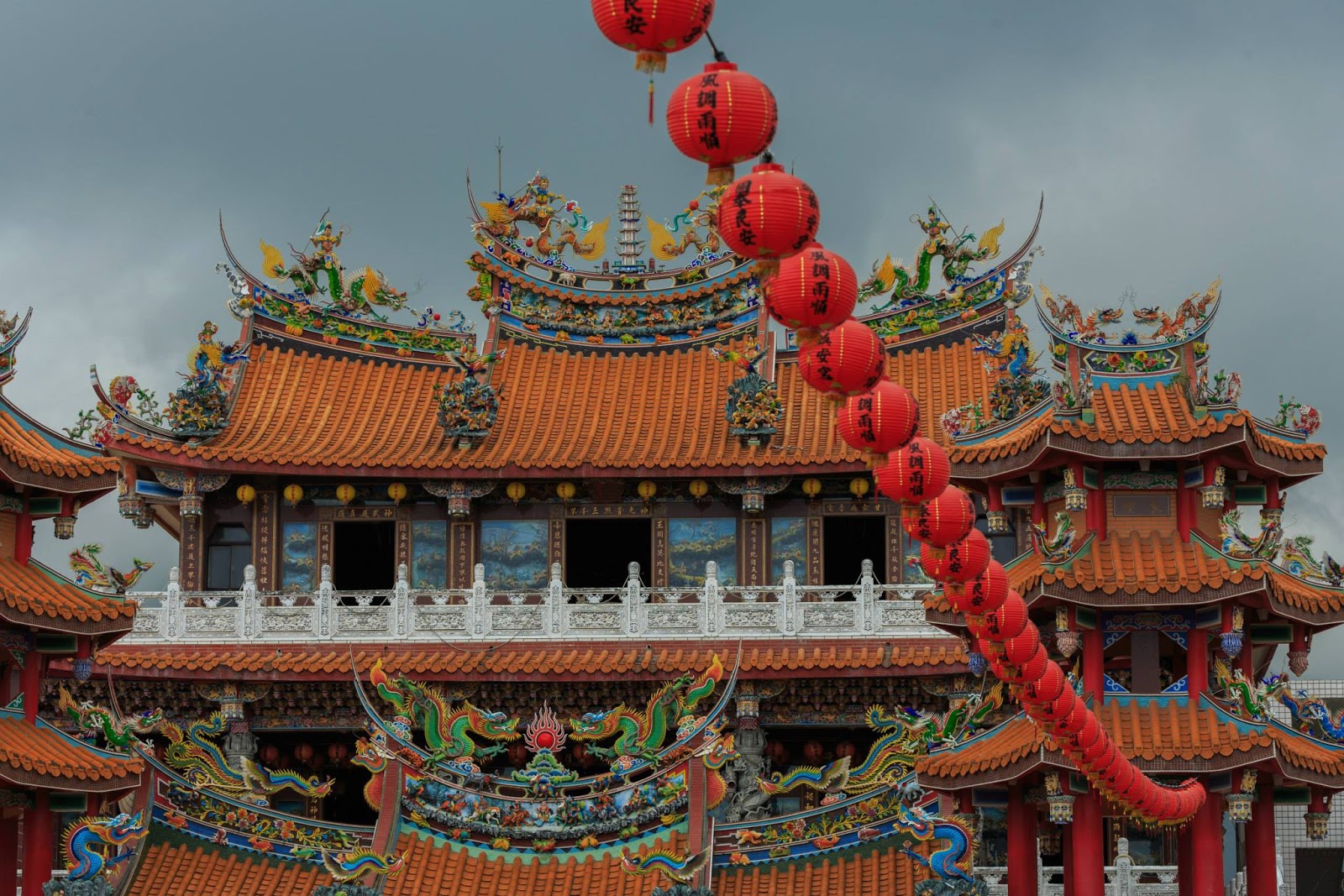
One of the temples in Hualien

..and more temples..

and another one.


We hired a scooter and drove around the area exploring and taking pictures. Technically the International Driving Permit is required also for two wheelers but some shops might overlook this, like they did in our case.


View from Parkview Hotel, Hualien, Taiwan

Hualien, Taiwan

Thursday, April 13, 2017

Why Price Match and Free Cancellation are important

Tokyo, Japan
Here's a great example on why Price Match and Free Cancellation are important when booking a hotel. We recently booked a hotel costing a little over 800 EUR for an upcoming trip. We are quite loyal customers of Hotels.com because of the great loyalty program they have but sometimes are forced to book from other sources. This time Hotels.com didn't have this specific hotel and due to certain circumstances we had to go to this exact hotel, so we ended up using Booking.com. 

Luckily Booking also had the Price Match and Free Cancellation policy on this hotel.

As per my usual habits, I was checking the price of this hotel regularly even though it was sold out long ago. I do this for our hotel bookings almost daily, to make sure we are getting the best price. Once it becomes a habit, it only takes two minutes a day. 

Two weeks before the trip, KABOOM, there it was, the same hotel with exactly the same room for almost half of the original price. To top that, this room was now also available on Hotels.com.

Pool are of our hotel in Sanur, Bali, Indonesia

So I booked the room on Hotels.com.

Cancelled my booking at Booking.com.

Sent the Price Match request I found from another source which was later approved.

We got the room for about 480 EUR.


The next day, the hotel was sold out again. Had I not consistently checked the price almost every day, we would have lost the discount.

With the money saved on this stay, we got to book flights to Munich for the both of us. Not only did we save actual cash on the hotel stay, we also got to collect 7 reward nights on Hotels.com which often equals to additional saving of 10%. It means that for every 10 nights you collect, you get one for free (for the value of an average price of those 10 nights). This might seem like a little but last year we collected roughly 50 nights in a hotel. Calculating all together, we save about 750 EUR every year only by preferring one hotel booking website.

To top that, annually we also save over 1000 EUR on matching prices we find on other hotel booking sites. Normally the savings are small, some tens of euros per hotel booking. But sometimes it's more, even hundreds of euros. 

Another great example is our hotel in Munich. By searching for a lower price after booking I managed to save 40 EUR, which basically means a day of free car rental!